The Journal · · 6 min read
What Every Homeowner Should Know About Electrical Safety.
Charleston homes hide a lot of wiring behind plaster and brick. Here is what the national fire data says, the warning signs worth taking seriously, and who to call locally.
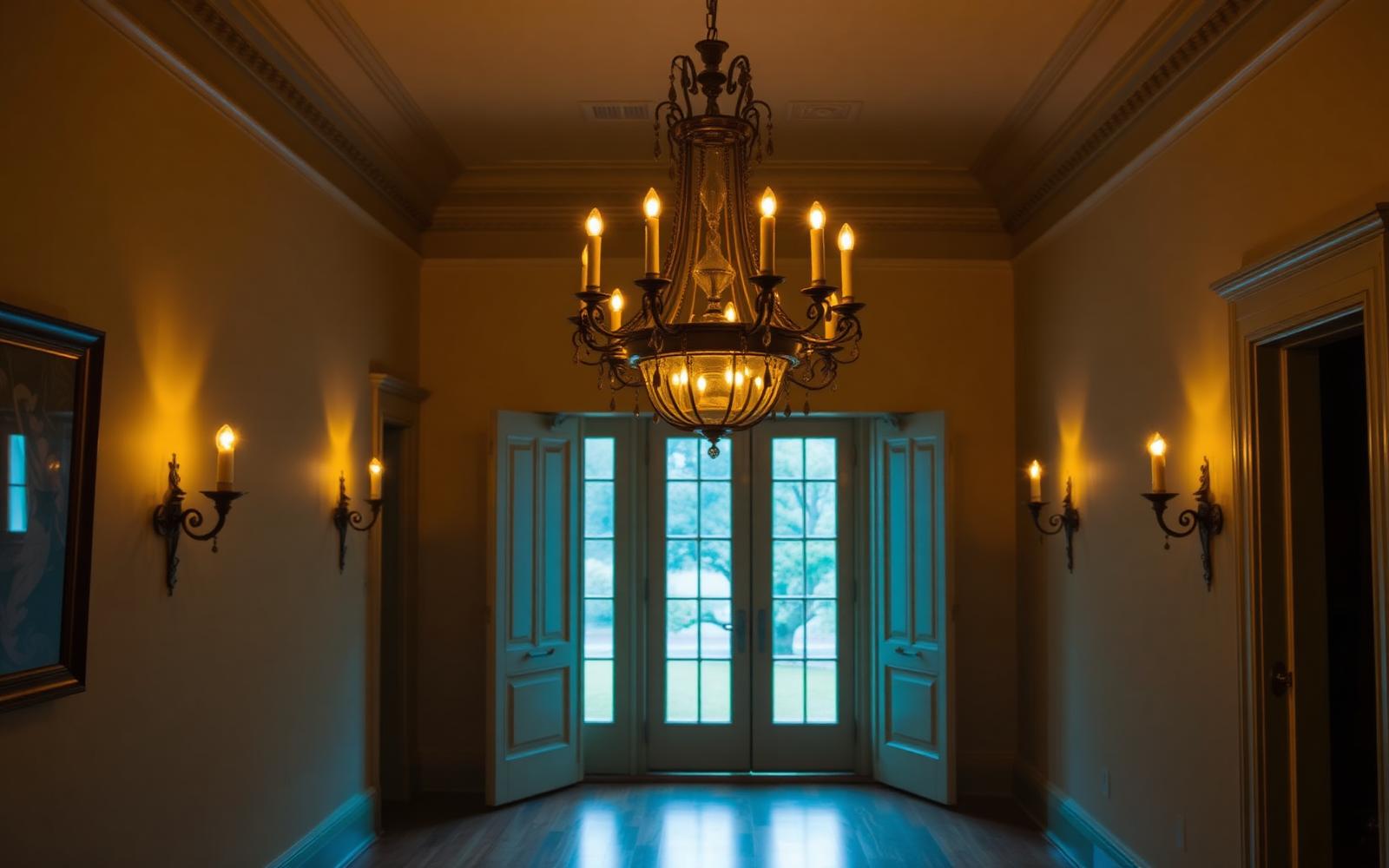
Most of what keeps a Charleston home running quietly, the wiring in the walls, the panel in the garage, the connections behind every outlet, is out of sight. That is exactly why electrical issues are so easy to ignore until they stop being small.
We spend a lot of time in houses, and electrical is one of the categories where a five-minute conversation with the right professional saves an owner from a very expensive weekend. This is a short primer on what the data actually says, the warning signs worth respecting, and the local resource we send clients to when something feels off.
What the national data actually says
Two federal-adjacent sources publish the numbers most homeowners eventually hear quoted. They measure slightly different things, which is why they do not match.
- The U.S. Fire Administration (USFA) classified 7.7% of U.S. residential building fires in 2024 as electrical malfunction.
- The National Fire Protection Association (NFPA), using a broader definition that also includes electrical equipment involved in ignition, estimates electrical fires accounted for roughly 13% of home structure fires annually in 2020–2024. This is about 46,652 fires a year, with an estimated 527 civilian deaths and 1,580 civilian injuries annually.
Both figures are worth knowing. What they establish is that electrical systems are a meaningful, recurring part of the home-fire picture, and that professional attention to the right warning signs is a reasonable thing to take seriously.
Warning signs worth respecting
NFPA and USFA are consistent about the symptoms that should prompt a call to a qualified electrician rather than a reset of the breaker and a shrug:
- Breakers that trip repeatedly, or fuses that keep blowing
- Outlets or switch plates that feel warm, look discolored, or smell like burning plastic
- Lights that flicker or dim without an obvious cause
- A tingling sensation when you touch an appliance
- Sparks from an outlet
- Outlets that no longer hold a plug snugly
In Charleston homes, where salt air, humidity, additions, and decades of well-intentioned DIY projects are all in play, these symptoms deserve a professional look, not a workaround.
Where the risk quietly builds
Within NFPA's set of home electrical fires, 77% involved an electrical failure or malfunction as an ignition factor. The most common conditions cited include unspecified short-circuit arcs, defective or worn insulation, faulty contacts or broken conductors, and short-circuit arcs from mechanical damage. The Consumer Product Safety Commission has long noted that aging wiring and increased electrical demand, think a 1920s South of Broad home now running two HVAC systems, a wine fridge, and a home office, can overheat components in ways the original system was never designed for.
None of that means every home is a hazard. It means homes deserve a thoughtful evaluation, especially after a purchase, a renovation, or any change in how the house is used.
When to bring in a professional
A practical shortlist, drawn from NFPA and USFA guidance:
- Buying or remodeling a home. Have a qualified electrician evaluate the system and do the work.
- Recurring breaker trips. Stop resetting. Call a qualified electrician to find the cause.
- Warm or discolored outlets, burning odors, flickering, tingling, or sparks. Treat as a real signal, not a nuisance. Get it looked at.
- Worn cords, loose plugs, or overloaded outlets. Replace, unplug, or redistribute — do not tape or improvise.
- AFCI or GFCI installation. Have a licensed electrician install and test per manufacturer guidance.
- Older or heavily altered system. Ask an electrician what evaluation is appropriate for your home's age, condition, and additions. Do not assume a universal schedule.
A local resource we trust
When our clients need eyes on an electrical system, or we perform any of our electrical inspections, we have Erich at Principle Electric LLC — a Charleston-based professional electrical contractor. Principle Electric publicly offers services that include electrical safety inspections, panel work, breaker installation, rewiring, outlets, lighting, surge protection, and generators.
- Website: principleelectric.com
- Phone: (843) 422-6832
- Service area: Charleston and the surrounding Lowcountry — confirm current coverage with the company.
What Haven does with this
Electrical is one of the categories we quietly monitor during routine walk-throughs. When something reads as off, we loop in a licensed electrician like Erich, and manage the visit so the homeowner does not have to sit at the house waiting for the service provider.
If you would like that kind of quiet oversight on your Charleston home, reach out and we will walk through what a plan would look like.
This post summarizes publicly available guidance from the U.S. Fire Administration and the National Fire Protection Association. It is educational, not a substitute for evaluation by a qualified electrician.